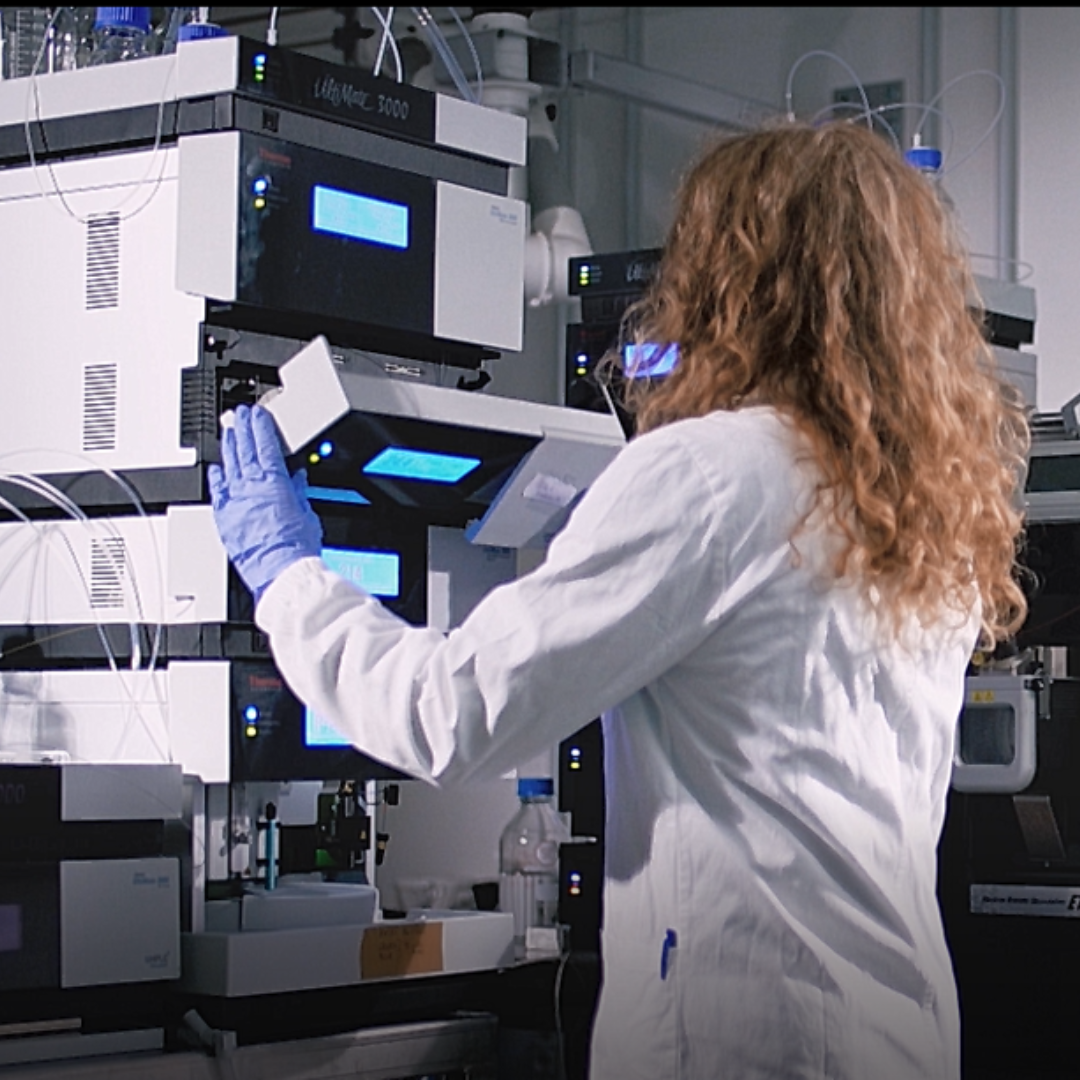
Core Facilities: the expertise driving the growth of Italian research
From shared technologies to a permanent working group: the national strategy for an integrated research ecosystem
Modern scientific research presents a paradox: while we celebrate the purchase of the latest sequencer or super-resolution microscope, we often forget that without a systemic vision, these technologies risk remaining unused toys. Behind every major breakthrough, there is not only a brilliant mind or state-of-the-art instrument, but a complex ecosystem built on expertise, effective management, and collaborative capacity.
This is precisely the role of Core Facilities (CFs): the silent engine of innovation that transforms ideas into robust, reliable scientific results. In a world facing global challenges framed by the "One Health" paradigm, CFs represent the only environment capable of supporting the multidisciplinary research required today.
At the CIBIO Department of the University of Trento, 9 core facilities are organized as specialized technology laboratories run by dedicated staff. They offer open access to all researchers, both within and outside the University. A pioneer of this model in Italian academia, CIBIO’s CFs have also been active internationally for years within leading reference networks such as CTLS and ABRF. Together with 12 other universities and public research institutions that share the strategic vision of CFs, the University of Trento co-founded NICo (Italian Core Facilities Network).
The III National Congress of the NICo, held in Chieti on September 3-4, 2026, brought into the spotlight the technical, scientific, and administrative skills that, while often operating behind the scenes, enable research and its outcomes to evolve.
The national context and strategic priorities were outlined and discussed during a dedicated session. The congress marked a turning point: the conversation has shifted from merely building a network of laboratories toward establishing a true national research ecosystem that cannot be built in isolation.
The concrete proposal moving forward is the creation of a permanent working group involving NICo, MUR (Ministry of Universities and Research), CRUI (Conference of Italian University Rectors), ANVUR (National Agency for the Evaluation of Universities and Research Institutes), and regional authorities. Only coordinated institutional governance can translate NICo's position paper into operational guidelines and effective evaluation tools.